


Downsizing on the South Shore: A Practical Guide
Downsizing is rarely just about square footage. It is about timing, what to keep, what a move will cost and where you want to spend the next chapter. I am Dave Delaney, Broker/Owner of COLUMBIA Real Estate Brokerage, a Massachusetts attorney since 1995 and real estate broker since 1997. This guide covers the questions I would start with when you are thinking about a smaller home.
Talk with Dave About DownsizingGet a Home Value Estimate
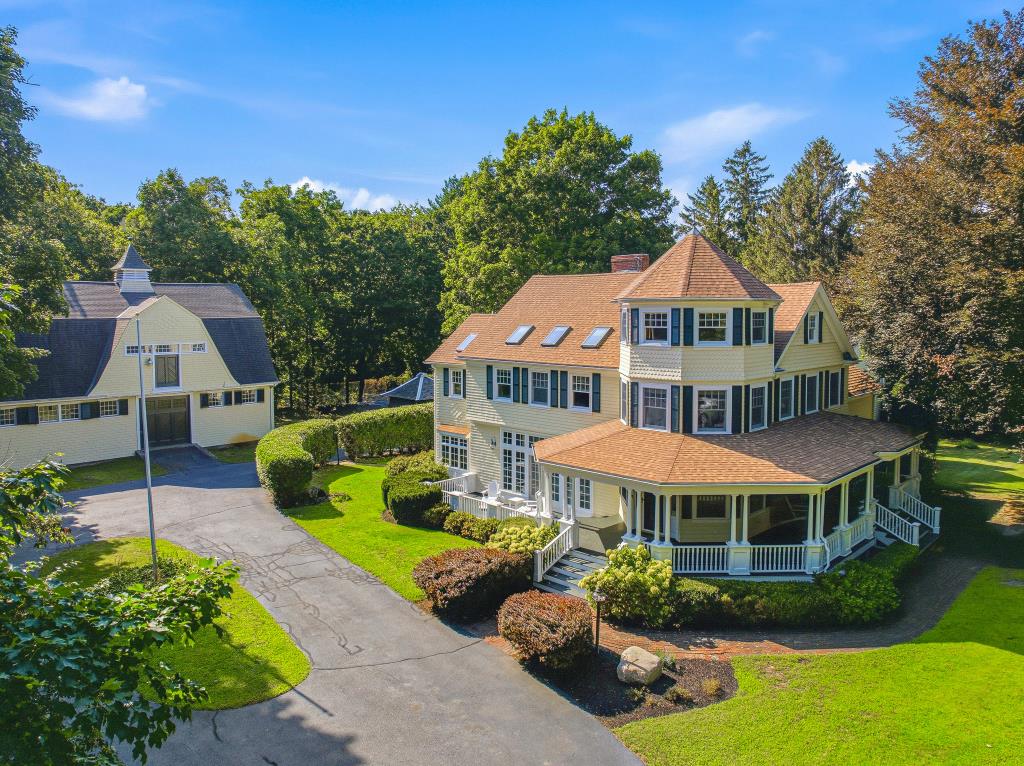
Start with how you want to live
Before we talk about price, it helps to picture the next home. A few questions can narrow the search quickly:
- Do you want single-level living, or are stairs fine for now?
- Would a condo or townhouse suit you, or do you want a smaller house with a little yard?
- How much maintenance, such as lawn care, snow removal and exterior upkeep, do you want to take on?
- Do you want to stay in your town, or move closer to family, the coast or a village center?
- What matters most: space for guests, a garage, a workshop, walkability?
Decide on timing: sell first, buy first or both
The order of your sale and purchase shapes everything else. Selling first gives you clear numbers and a firm budget, but may mean planning for a gap between homes. Buying first can feel more comfortable, but means carrying two homes for a time. In some sales, a buyer will agree to a flexible closing date or a short period of occupancy after closing. We can talk through the options for your situation before you list, so the sale and the purchase work together.
Understand what your home may be worth
I look at comparable sales, competing homes and your property's condition and features to help you choose an asking price. You can start with an online home value estimate or explore market activity in your neighborhood, then we can talk about how your home compares. See also my page on selling with COLUMBIA Real Estate Brokerage.
Know the Massachusetts steps that come with a sale
A few requirements commonly come up when selling a Massachusetts home. They can vary by town and property, so please confirm the details for your own situation.
Smoke and carbon monoxide alarm certificate
When a home is sold, the local fire department inspects the smoke and carbon monoxide alarms and issues a Certificate of Compliance. These certificates are generally valid for about 60 days, so timing the inspection matters. The Massachusetts Department of Fire Services publishes a consumer guide to the requirements.
Septic system (Title 5) inspection
If your home has a septic system, a Title 5 inspection is generally required within two years before the sale, and your town's Board of Health may have stricter rules. It is worth finding out early, because a failed system can affect your timing and costs. Mass.gov explains the process in Buying or Selling Property with a Septic System.
Think about taxes before you list
Federal home sale exclusion
If you have owned and lived in your home as your main home for at least two of the five years before the sale, you may be able to exclude up to $250,000 of the gain from your income, or up to $500,000 if you file a joint return. There are conditions, including a limit on using the exclusion more than once every two years. The IRS explains the rules in Topic 701, Sale of Your Home.
Massachusetts senior property tax programs
If you are 65 or older, Massachusetts offers help with property taxes. The Senior Circuit Breaker tax credit is claimed on your state income tax return. Many towns also let eligible seniors defer property taxes under Clause 41A. A deferral postpones the tax rather than erasing it, and it is generally repaid, with interest, when the home is sold. If you have a deferral, ask your town assessor how a sale would affect it.
Your tax situation is your own. Please talk with a tax professional and your own attorney before making decisions.
Sort, sell and move what matters
For many homeowners, the hardest part of downsizing is the belongings, not the house. A simple order can help:
- Measure the new space, or get a floor plan, so you know what will realistically fit.
- Start with the rooms you rarely use, such as the attic, basement and guest rooms.
- Sort into keep, give to family, sell, donate and discard.
- Talk with family early about heirlooms and sentimental items.
- Book movers and donation pickups early, especially around busy moving times.
When it is time to list, we will discuss presentation, repairs and staging priorities before you spend money, so you only do what makes sense for your home.
Common questions
Should I sell first or buy first?
It depends on your finances, your comfort with carrying two homes and how quickly homes in your price range are moving. We can talk through your timing and options before you commit.
Will I owe tax when I sell?
Many homeowners qualify for the federal home sale exclusion described above, but it depends on how long you have owned and lived in the home, your gain and your filing status. A tax professional can tell you how it applies to you.
Do I need to renovate before I sell?
Not necessarily. We will look at the condition of your home and the local market and decide together which repairs or updates are worth making.
Let's talk about your next chapter
Tell me what you are hoping for and what concerns you most. We can start with a conversation, even if you are still working out your plans.
Start a ConversationBrowse Available Homes
This guide is general information, not legal, tax or financial advice. Rules and programs change and vary by town, so please confirm details with the relevant agency and your own advisors.